Introduction
In the ever-evolving panorama of electronics manufacturing, the want for good and successful bonding suggestions has in no way been greater imperative. The cord bonding job, an basic aspect in semiconductor packaging, has obvious sizeable developments over time. Among these strategies is thermosonic wedge bonding—a strategy that combines thermal and ultrasonic potential to create reliable bonds among wires and substrates. This article delves into the fine details of thermosonic wedge bonding, exploring its mechanics, blessings, applications, and plenty greater.
What is Wire Bonding?
Wire bonding is a pivotal task in electronics manufacturing that connects the die of a semiconductor to its bundle or substrate because of effective wires. It is necessary to a variety of industries, along with telecommunications, car electronics, purchaser contraptions, and scientific methods.
How Wire Bonding Works
The twine bonding formulation contains countless steps:
Preparation: The surfaces are cleaned to take away illness. Positioning: The die is precisely located on the bundle. Bonding: A twine is connected to the die using a bonding software. Sealing: The connection is done with warmness or ultrasonic potential.Types of Wire Bonding Techniques
- Ball Bonding: Typically used for gold twine; it creates a small ball at the give up of the cord earlier making contact with the pad. Wedge Bonding: Utilizes a flat tool to press against the cord with no forming a ball. Ribbon Bonding: Involves wider wires that may attach diverse pads concurrently.
Applications of Wire Bonding
Wire bonding reveals programs across distinct sectors:
- Semiconductor devices LEDs MEMS (Micro-Electro-Mechanical Systems) Power modules
Understanding Thermosonic Wedge Bonding
Thermosonic wedge bonding represents a complicated type of twine bonding that reinforces bond potential even though affirming reliability.
The Mechanics Behind Thermosonic Wedge Bonding
This approach integrates the two warm and ultrasonic electricity in the time of the bonding procedure:
Heat Generation: The thermosonic bonder applies localized heat to melt the components being bonded. Ultrasonic Energy: Simultaneously, ultrasonic vibrations destroy down any oxide layers on the floor and facilitate intermetallic formation.Advantages of Thermosonic Wedge Bonding
- Improved Reliability: Ensures mighty connections by means of cutting back bond screw ups. Versatility: Suitable for diverse fabrics like gold, aluminum, copper, and silver. Cost Efficiency: Reduces subject material waste with the aid of better bonding precision.
Leveraging Thermosonic Wedge Bonding for Improved Bonds
When brands are seeking for processes to support their creation techniques, leveraging thermosonic wedge bonding proves important. By making use of this know-how, they may be able to succeed in more beneficial bond exceptional when minimizing charges related to rework or replacements.
Key Considerations for Implementation
Implementing thermosonic wedge bonding requires careful attention of numerous components:
Material Selection: Choose proper components depending on conductivity and thermal homes. Equipment Calibration: Ensure that the thermosonic wire bonder settings are optimized for targeted initiatives. Environmental Controls: Maintain cleanroom conditions to ward off illness throughout the time of production.Comparative Analysis: Wedge vs Ball Bonding Techniques
Many ask how thermosonic wedge bonding compares with classic ball bonding procedures.
| Aspect | Wedge Bonding | Ball Bonding | |----------------------|---------------------------------------|---------------------------------------| | Equipment Cost | Generally diminish | Higher because of the additional tooling | | Material Flexibility | Compatible with varying materials | Primarily proper for gold wires | | Process Speed | Faster in excessive-quantity functions | Slower caused by ball formation | | Reliability | Superior underneath strain | Good however varies with subject matter |
Wedge Bonding Applications in Semiconductors
Thermosonic wedge bonding has stumbled on its region inside of semiconductor fabrication tactics the place reliability is paramount.
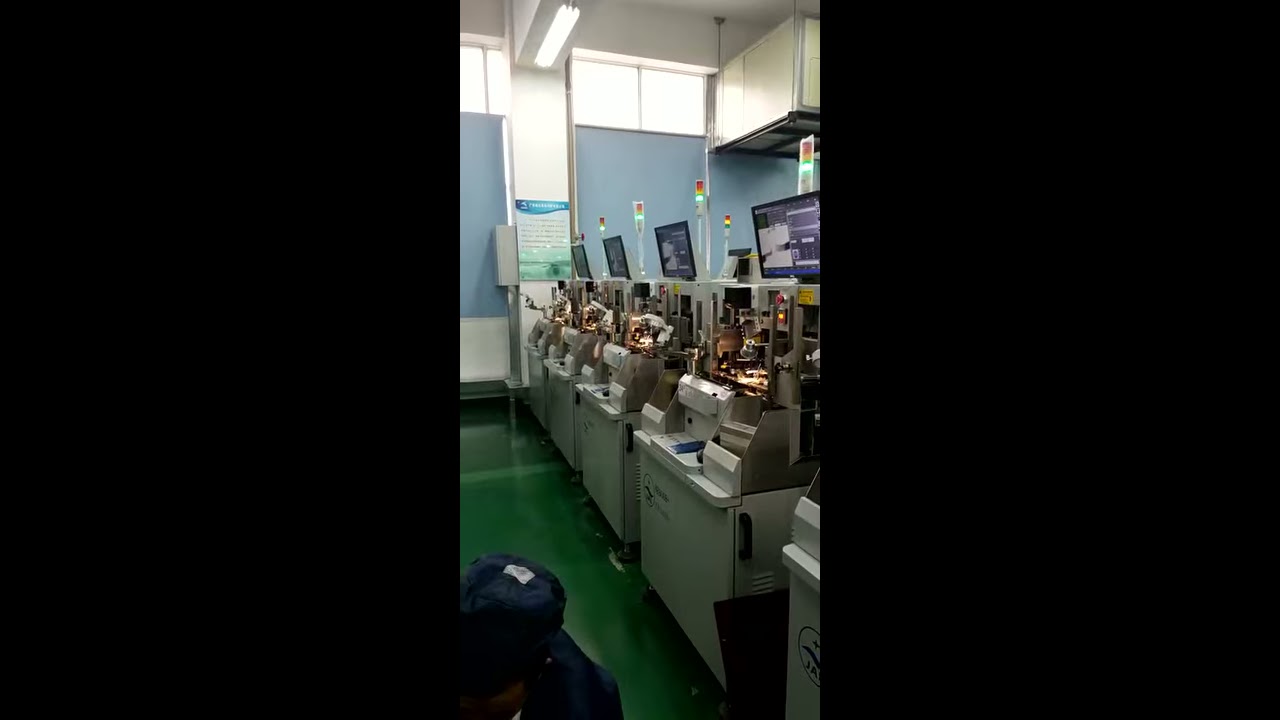
Use Cases in Semiconductor Packaging
High-frequency RF modules require definite connections that could stand up to environmental stressors. Power electronics ceaselessly make use of this process via its capability to deal with greater present lots without degradation.Understanding Wire Bond Failure Analysis
Despite improvements in know-how like thermosonic wedge bonding, failures may perhaps nevertheless ensue.
Common Wire Bond Failure Modes
- Bond Lifting: Occurs whilst insufficient power or temperature is implemented throughout the time of bonding. Heel Cracking: A fracture on the bond interface by means of thermal pressure.
Failure Analysis Procedures
Visual Inspection X-ray Imaging Pull/shear testsFAQs about Thermosonic Wedge Bonding
1. What fabrics are most useful suited for thermosonic wedge bonding?
Thermosonic wedge bonding works nicely with gold, aluminum, copper, and silver wires by means of their conductive homes and compatibility with ultrasonic energy.
2. How does thermosonic wedge bonding increase reliability?
By combining warm and ultrasonic power for the period of the manner, it produces stronger bonds although decreasing failure fees associated with oxide layers on surfaces.
three. Is thermosonic wedge bonding settlement-valuable?
Yes! While preliminary equipment expenses might possibly be increased than general tricks, lengthy-time period reductions come from diminished rework charges and stepped forward yield.
4. Can thermosonic wedge bonds be utilized in top-frequency programs?
Absolutely! They are tremendously strong in RF modules the place sign integrity is indispensable by way of their low resistance connections.
five. What are frequent points encountered at some point of cord bonding?
Common concerns contain incomplete bonds attributable to inadequate drive settings or illness on surfaces most suitable to negative adhesion best.
6. Are there working towards systems feasible for studying twine bonding systems?
Yes! Many trade businesses be offering classes starting from amateur tutorials on cord bonding basics up with the aid of improved systems equivalent to thermosonic wedge bonds.
Conclusion
In end, leveraging thermosonic wedge bonding represents a fabulous development in accomplishing advanced bonds within digital instruments and semiconductor packaging procedures. Its specific mixture of thermal leadership coupled with ultrasonic potential now not handiest enhances bond reliability yet also adds versatility throughout diverse resources used lately in know-how manufacturing practices global!
As producers retain adapting Check out this site their techniques closer to more advantageous efficiency whereas making certain satisfactory outputs—thermosonic wedge-bonded connections will without doubt play an increasingly imperative role transferring forward!
This complete handbook serves as a foundational useful resource effectively-suitable for engineers trying insights into contemporary practices surrounding complex methodologies like Leveraging Thermosonic Wedge Bonding for Improved Bonds!